Elevate Your Brand with Our Branding and Refresh Style Guide
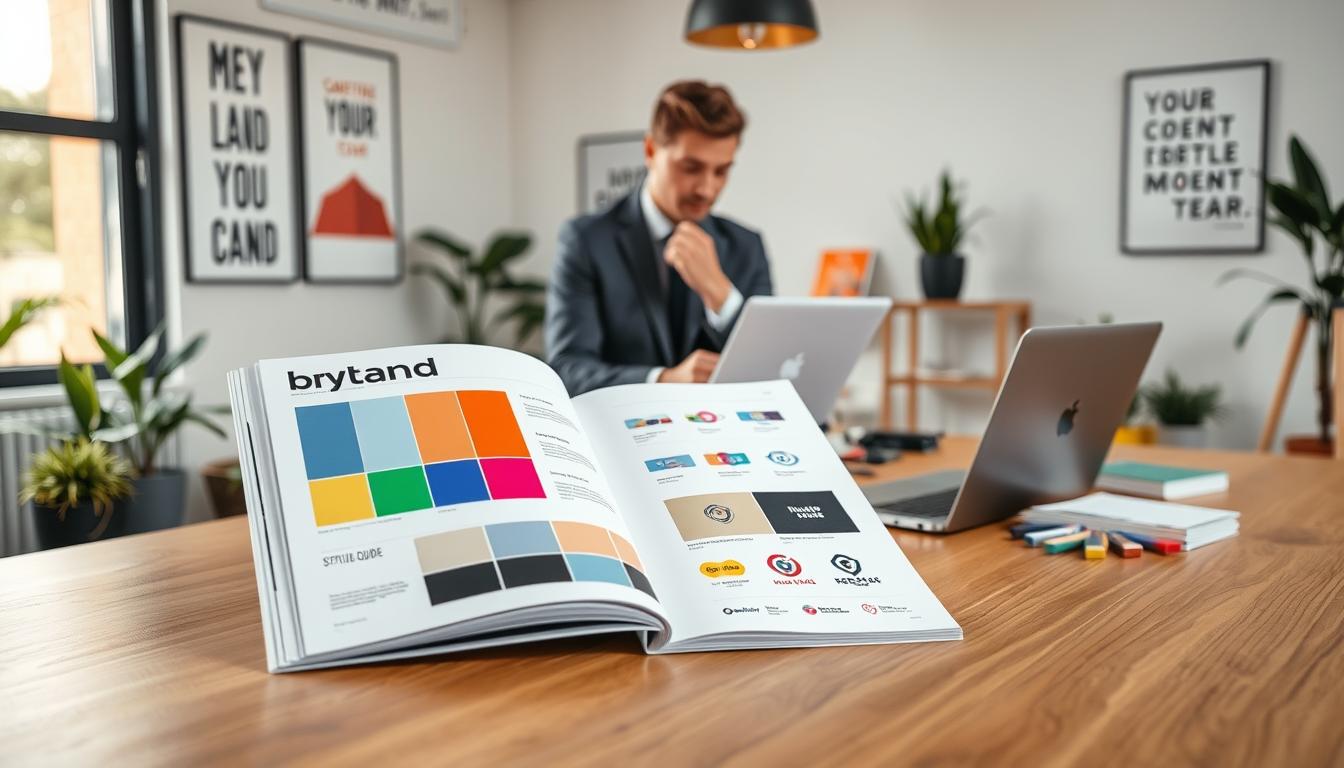
Table of Content


-
Author

-
Published
22 Feb 2026
-
Reading Time
26 mins
Your brand is more than a logo or tagline. It’s a promise to your customers every day. When someone visits your business or website, they see your brand in every detail. These moments are more important than you might think.
Running a business in Australia is tough. You have to manage many things at once. Your team needs clear rules for representing your company. Without a style guide, your brand might look messy and unprofessional.
A good branding and refresh style guide is not just a document. It’s a living guide that keeps everyone on the same page. When your brand looks consistent, people start to trust it. They know what to expect from you.
Brand identity evolution is key in today’s market. Whether you’re new or updating your look, a style guide helps. We’ve seen how it changes how teams work and how customers see them.
This guide will teach you about building a strong brand identity. We’ll explain why being consistent is important. We’ll also show you how to refresh your brand without losing trust.
Key Takeaways
- A branding and refresh style guide is a strategic business asset that protects your investment
- Brand identity evolution keeps your company relevant in competitive Australian markets
- Consistent visual guidelines help your team make better design decisions independently
- Proper documentation builds customer recognition and trust across all touchpoints
- A refresh doesn’t mean abandoning your identity—it means strengthening what you’ve built
- Style guide development is a collaborative process that involves your entire team
Why Your Brand Deserves More Than Just a Logo
Many business owners think a logo is all they need for branding. But this belief leads to mixed messages on different platforms. Your brand needs more than just a logo. A detailed approach to visual identity guidelines changes how you talk to customers.
Consider your brand’s touchpoints. Your website looks one way, social media another, and print materials yet another. Emails seem out of place. Without clear visual identity guidelines, this confusion weakens your brand.
Real-world examples highlight this issue. Businesses with only logos face endless questions. Which font to use? What blue shade is right? Should we use photos or illustrations? These debates waste time and money, causing brand chaos.
- Typography rules for headings, body text, and captions
- Colour palettes with precise specifications
- Imagery styles and photography guidelines
- Tone of voice across different communications
- Logo application rules and spacing requirements
- Design templates for common materials
Comprehensive visual identity guidelines empower your team to make confident decisions without constant design oversight. Your marketing manager can create social posts correctly. Your administrative staff can format documents properly. Everyone knows the brand rules.
“Proper brand guidelines reduce design costs by 30% and accelerate content creation by weeks.”
Investing in visual identity guidelines brings big benefits. It cuts down on expensive design changes. It also speeds up content creation. Most importantly, it makes every customer interaction a chance to reinforce your brand. This consistency builds trust and recognition in the Australian market.
The Strategic Power of Visual Identity Guidelines
Your brand’s visual identity is more than just looks. It’s a key part of how people see and feel about your business. A strong brand consistency framework helps your brand look the same everywhere. This includes your website, printed stuff, social media, and even packaging.
Creating a memorable brand is not just about wanting it. It needs careful planning and structure. A brand consistency framework gives your team clear rules to follow. This keeps your brand’s look and feel the same everywhere.
Building Recognition Through Consistency
Seeing the same things over and over helps people remember your brand. Think of Coca-Cola’s red and white. They’re everywhere, yet unmistakably Coca-Cola.
A brand consistency framework helps Australian businesses keep their look the same everywhere. This includes social media, emails, trade shows, LinkedIn, and even product packaging.
- Social media profiles and digital advertising
- Email campaigns and newsletters
- Trade show displays and event materials
- LinkedIn company pages and professional documents
- Product packaging and physical signage
Being consistent makes your brand feel familiar. Familiarity builds trust. When your brand looks the same every time, people trust you more.
Creating Emotional Connections with Your Audience
Your brand consistency framework is not about being strict. It’s about setting guidelines that keep your brand’s spirit alive while allowing for creativity. This way, customers know what to expect from you.
Keeping your brand’s look consistent builds strong customer relationships. Your audience starts to link certain feelings and values with your brand. This is because they see the same message over and over.
| Brand Element | Purpose | Application Example |
|---|---|---|
| Visual Elements | Create instant recognition | Logos, colours, typography across all platforms |
| Messaging Tone | Establish personality and values | Consistent voice in customer communications |
| Customer Experience Standards | Build trust and reliability | Uniform service quality and interaction standards |
| Design Patterns | Reinforce brand identity | Consistent layout and styling across materials |
Your team needs clear guidelines. A well-documented brand consistency framework gives them examples to follow. This ensures everyone works from the same playbook.
This approach makes your brand feel intentional. Australian businesses that focus on consistency make their brands more memorable, trusted, and valuable.
When It’s Time to Refresh: Signs Your Brand Needs Evolution
Knowing when your business needs a brand refresh is key. Your brand works hard for you, but it can fade into the background. The real question is, will you lead the change or let it happen by chance?
Your audience gives you clues through their actions. If competitors seem modern and your brand looks old, people notice. If your business has grown but your brand hasn’t, it’s time to update.
A brand refresh doesn’t mean starting over. It’s about updating your look to stay current. Your brand’s value stays the same; you just make it shine for today’s world.
Look out for these signs:
- Your brand looks outdated next to competitors
- Your online and offline looks don’t match
- Team members have different ideas about your brand
- Your target market has changed
- Your brand doesn’t look good on mobile or social media
- Customers are confused about your values
When to refresh is less important than making sure it aligns with your strategy. Refreshes can be small tweaks or big changes. Both are good if they help you meet your goals, not just follow trends.
Business maturity means knowing when to change. We help you decide with clarity. We make sure your refresh strengthens your brand, not weakens it.
Branding and Refresh Style Guide: The Foundation of Modern Business Identity
A strong branding and refresh style guide is key to your business identity. It ensures your brand looks the same everywhere, from your website to social media. By investing in a brand style guide, your team knows what to do. This leads to fewer mistakes, faster approvals, and a professional look that builds trust with customers.
Think of your style guide as a living document. It evolves with your business and tackles new challenges. The upfront investment pays off with better efficiency and stronger brand recognition across all marketing channels.
Core Components That Drive Brand Success
Your branding and refresh style guide needs several key elements to work effectively. These elements together create a unified brand experience.
- Logo usage and clearspace requirements — defines how your logo appears and the space around it
- Colour specifications — includes digital hex codes and print CMYK values for accuracy
- Typography hierarchy — establishes which fonts work for headings, body text, and callouts
- Photography and illustration guidelines — sets the style and tone for visual content
- Iconography standards — keeps symbols consistent across platforms
- Voice and tone documentation — explains how your brand should communicate with customers
- Application examples — shows real-world uses across websites, email, packaging, and advertising
Each component has a purpose. Logo specs prevent brand dilution. Colour codes ensure your brand looks the same everywhere. Typography creates a visual hierarchy that guides readers. Together, these elements form the basis of effective brand style guide development that any team member can understand and apply.
How Documentation Protects Your Brand Investment
Proper documentation shields your brand from inconsistency and costly mistakes. When your team follows clear guidelines, you avoid expensive redesign cycles and revision requests. Everyone knows exactly what to do, so work moves faster.
| Protection Benefit | Business Impact |
|---|---|
| Reduced design revisions | Saves time and design costs across projects |
| Team consistency | Maintains brand quality as your business grows |
| Staff transition support | Preserves brand knowledge when people leave |
| Agency alignment | External partners follow your standards without confusion |
| Brand equity preservation | Protects your investment in brand recognition |
| Scalable growth | Expands operations without brand dilution |
A detailed branding and refresh style guide documents your brand decisions. This way, they’re not lost when team members move on. New designers, marketing managers, and content creators can all access the same resource. This consistency builds customer loyalty because people recognise your brand everywhere they encounter it. Your brand style guide development investment protects what you’ve built and enables sustainable growth without confusion or compromise.
Beyond the Basics: What Makes Australian Brands Stand Out
Australian brands are special because they mix global style with true local spirit. This unique blend makes them stand out from brands that just copy others.
Branding in Sydney is both tough and rewarding. The city’s competitive scene demands real authenticity. People here can spot fake efforts easily. They prefer brands that speak directly, informally, and with equality.
Successful Australian brands have certain traits:
- They talk honestly, without corporate speak
- Their look is fresh, not clichéd
- They use a voice that’s real, like how Australians talk
- They understand and respect local values and attitudes
- They’re not afraid to show their personality and take a stand
Many think Australian branding means using kangaroos or outback scenes. But that’s not it. True success in Sydney branding comes from knowing what your audience really cares about. It’s about the tone, look, and personality that feels natural.
Effective Australian brands don’t sound like they’re reading from a rulebook. They speak like trusted friends who know their stuff. This realness builds strong bonds with people in Sydney and more.
Your brand guidelines should feel Australian but not forced. They should show how your business really works and talks to customers. This way, you protect your brand while standing out in busy markets. We get these details and help businesses create guidelines that truly feel Australian, not generic.
The Business Case for Investing in Brand Consistency Framework
Investing in corporate visual standards is like building a strong foundation for your business. CFOs and business owners want to see clear benefits before they invest. A solid brand consistency framework brings real value in many areas of your business.
Think of corporate visual standards as a quality management system. You wouldn’t doubt the value of systems that cut waste and boost efficiency. Brand standards do the same, leading to long-term gains.

Companies with clear brand standards save money. Design teams use pre-made templates, saving time. This also means fewer revisions and better marketing campaigns.
Measurable Returns on Brand Standardisation
Here are some specific benefits you can measure:
- Design costs fall by 30–40% with standard templates
- Revision cycles drop with clear standards
- Brand recall gets a boost from consistent look
- Customers see you as more reliable with unified branding
- Marketing ROI goes up with standardised messages
Strong corporate visual standards help your business stand out. Consistency makes you look more established and trustworthy. Clients and customers see standardised brands as more professional and reliable.
| Metric | Impact With Standards | Impact Without Standards |
|---|---|---|
| Design Production Time | Reduced by 30–40% | Starting from scratch each time |
| Revision Cycles | Fewer misaligned deliverables | Multiple rounds of corrections |
| Brand Recognition | Strengthened through consistency | Weakened by inconsistent presentation |
| Customer Trust | Higher perceived reliability | Questions about organisation stability |
| Marketing Efficiency | Better campaign performance | Mixed results from scattered messaging |
These benefits build up over months and years, not weeks. Your corporate visual standards are key assets for growth and efficiency in your whole organisation.
Navigating Corporate Brand Refresh Without Losing Your Identity
When thinking about updating your brand, a big worry is losing loyal customers. A smart brand refresh strategy keeps the good stuff while moving forward. This balance is key for your business to grow and keep customer trust.
Your brand refresh strategy falls on a spectrum. On one side, you have small updates like new fonts or colours. On the other, you have big changes like a complete new look. The right choice depends on your situation.
We suggest using a simple framework to choose the right path for your business:
- See what works—these elements make your brand recognised and liked, so keep or update them gently
- Find what’s broken—things that confuse or send the wrong message need a redo
- Think about what’s missing—new elements that support your goals and future direction
Your brand refresh strategy should never feel sudden to customers. Research, test, and roll out changes gradually. This makes the transition smoother than sudden changes. Talk to stakeholders throughout the process. Share your vision with your team, customers, and partners early.
| Brand Refresh Approach | Timeline | Customer Impact | Best For |
|---|---|---|---|
| Evolutionary Update | 3-6 months | Minimal disruption | Staying current while keeping brand equity |
| Strategic Evolution | 6-12 months | Gradual adjustment period | Shifting market position or expanding audiences |
| Revolutionary Redesign | 12+ months | Requires transition education | Complete business pivot or major repositioning |
Communication is key at every stage. Explain why you’re refreshing your brand. Customers like to know where you’re headed. Phased implementation helps people adjust without feeling lost or confused about who you are.
“A successful brand refresh strengthens customer relationships. With proper planning and transparency, evolution becomes an opportunity to deepen trust.”
Your brand refresh strategy works best when it respects your history and looks to the future. We’ve helped many Australian businesses through this journey. The ones that succeed plan carefully, communicate clearly, and stay true to their core identity. Refresh your brand thoughtfully, and that loyalty will grow stronger.
From Concept to Implementation: The Style Guide Development Journey
Creating a solid rebranding style guide is all about turning ideas into action. We mix strategy, creativity, and tech skills to make your brand vision real. This process links your business goals with a visual and verbal identity that works everywhere.
The journey has several key phases. Each one builds on the last, making a detailed guide your team can use every day.
Collaborative Processes That Deliver Results
We think the best style guides come from talking between your team and ours. You know your market well. We bring brand system and digital know-how. Together, we make something great.
Our way of working includes:
- Stakeholder workshops to define your brand
- Competitive analysis to find your unique spot
- Creative development with feedback
- Clear guides that teams get
- Support to make sure everyone uses it
This way of working makes your guide real and relevant. It’s not just rules, but why they matter. Your team will understand and support the new style guide.
Tailoring Your Brand Voice for the Australian Market
Australians like straight talk that feels real. Your style guide should show this Aussie vibe.
We make sure your brand voice fits Australian communication:
- Direct without being blunt – Say it clearly
- Friendly without losing professionalism – Be welcoming and credible
- Confident without arrogance – Show your value without being too much
Your guide should have specific words, sentence styles, and messaging. Australian brands are different from others. What works in London might not here. Your guide needs to get this local feel.
“Your brand voice is how Australians see your values. Get it right, and everything else falls into place.”
We help at every step, making sure your style guide is a useful tool for your team. They’ll use it confidently and clearly.
Common Pitfalls in Rebranding and How to Avoid Them
Refreshing your corporate brand is a big investment for any business. Yet, many organisations face challenges during this process. Knowing these common mistakes can help protect your brand and make sure your refresh brings real value.
We’ve helped many Australian businesses with their rebranding. We’ve found that rushing or skipping important steps are common mistakes. But, these errors can be avoided with the right strategy.

Let’s look at the most common rebranding errors and how to overcome them.
Changing Everything at Once
Some organisations try to change everything at once. This can confuse staff and customers.
The solution: Start by changing digital channels first. Then, update print materials. This way, you can manage the changes and get feedback before everything is changed.
Designing Without Stakeholder Input
Designing a brand without involving stakeholders can lead to resistance. Teams feel left out when they’re not part of the decision-making process.
The solution: Hold workshops with different teams. Include leaders, customer-facing staff, and department heads. This way, everyone feels involved and the brand reflects different views.
Creating Overly Restrictive Guidelines
Too strict style guides can stifle creativity. Your guidelines should inspire, not limit.
- Provide clear principles instead of strict rules
- Include examples showing flexibility
- Allow creative freedom within set boundaries
- Update guidelines as new uses emerge
Developing Guidelines Nobody Uses
Guidelines that are hard to use or understand are useless. This can undermine your entire rebranding effort.
The solution: Make your guidelines easy to use. Create digital versions, short videos, and quick guides. Make following them simple.
Neglecting Digital Applications
Focusing only on print materials can lead to inconsistency. Digital channels like social media and websites need attention too.
| Channel Type | Priority Level | Common Oversight | Best Practice |
|---|---|---|---|
| Website Design | Critical | Outdated templates | Mobile-first responsive design |
| Social Media | Critical | Inconsistent posting style | Branded templates and guidelines |
| Email Marketing | High | Disconnected formatting | Standardised templates with flexibility |
| Mobile Applications | High | Separate design systems | Integrated brand standards |
| Print Materials | Medium | Limited digital guidance | Digital-first thinking applied to print |
Skipping Strategic Foundation
Starting design without a clear strategy can result in a brand that looks good but lacks direction. Beautiful designs alone don’t drive business success.
The solution: Begin with your positioning statement. Define your values, target audience, and competitive advantage. Let strategy guide your design choices.
Underestimating Change Management
Rebranding affects how employees represent your organisation. Without proper change management, even great designs may fail to gain support.
- Communicate the “why” behind your refresh early
- Provide thorough training for all staff
- Create brand ambassadors within departments
- Celebrate successful implementation milestones
- Gather and respond to team feedback regularly
Your rebranding will succeed if you avoid these common pitfalls. These mistakes are not inevitable. With the right guidance, you can navigate them smoothly. We’ve managed many brand projects in Australia. Let us help you make your rebranding a real competitive advantage.
Future-Proofing Your Visual Standards in a Digital-First World
Your brand identity is not a one-time task. Digital worlds change fast. New platforms pop up and disappear. People’s habits shift too. So, your visual standards must be flexible.
Brand guidelines that don’t change quickly become outdated. Sticking to strict rules limits how your team can use your brand on new platforms. We teach you to create flexible, adaptable guidelines.
Think of your brand as a living thing, not a fixed document. Your guidelines should explain why you make certain visual choices, not just what you choose. When your team gets this, they can make smart decisions for new situations.
Adapting to Evolving Platforms and Technologies
Responsive design is key. Your brand must look good on all devices, from small screens to big ones. New tech like voice interfaces and AI means you need to think differently about your brand’s look.
We show you how to make modular brand systems. These systems break your brand into parts that can be used in different ways. This makes your brand easy to update and keep consistent.
| Platform Type | Key Considerations | Brand Elements to Adapt |
|---|---|---|
| Mobile Apps | Small screens, touch interaction, quick recognition | Simplified logos, readable typography, vibrant colours |
| Voice Interfaces | Audio branding, tone of voice, personality | Brand voice guidelines, sonic identity, messaging tone |
| Virtual Reality | Three-dimensional space, immersive experience, spatial design | 3D logo variants, environmental colour application, interactive elements |
| Augmented Reality | Real-world integration, overlay visibility, contextual relevance | Transparent logo versions, dynamic brand elements, adaptive sizing |
| Social Media Platforms | Rapid format changes, algorithm visibility, video dominance | Animated logos, short-form video templates, platform-specific layouts |
Future-proofing means being ready for change, not predicting every new tech. Focus on your brand’s core principles. These are the values, colours, and visual language that define you.
Your brand guidelines should evolve with your business, not restrict it. Strong frameworks provide stability whilst enabling innovation.
- Create a component library where individual brand elements work independently
- Use design tokens to manage consistency across platforms
- Document principles that guide decisions on novel applications
- Build in review cycles to update guidelines as technology shifts
- Train your team to apply brand identity evolution thinking
Australian businesses know that brand consistency frameworks must be dynamic. Your visual standards should help your team now and prepare them for the future. We help you find the right balance, keeping your brand relevant without needing a complete overhaul every time tech changes.
Why Sydney Businesses Are Leading the Brand Evolution Movement
Sydney is at the top of Australia’s brand innovation scene. Businesses here face tough competition that pushes them to improve their branding. They know they must stand out to succeed.
Branding in Sydney is not just about marketing. It’s about creating a strong brand strategy. This is what sets local companies apart.
The Sydney business scene offers many benefits for brand growth:
- Intense competition across retail, technology, hospitality, and professional services sectors
- Multicultural audiences requiring sophisticated, culturally-aware brand communication
- Proximity to Asia-Pacific markets creating international brand standards
- Concentration of creative and strategic talent that raises brand excellence expectations
- Digital-savvy consumers expecting seamless brand experiences across all channels
Branding in Sydney is seen as a must, not just a marketing choice. Companies here use detailed brand style guides and invest in professional branding. They see their brand as a key asset, not an afterthought.
Sydney businesses show what it means to think ahead in branding. They know that having a solid brand strategy is key. It helps them build recognition and connect with their audience.
Every Australian business can learn from Sydney’s approach to branding. While Sydney leads, all businesses in Australia can benefit from adopting similar strategies. This is essential in today’s complex markets.
Conclusion
Your brand is a key asset for your business. A solid branding and style guide keeps it safe and consistent for your customers. We’ve shown how guidelines, refreshes, and detailed documents boost your business.
These elements help in building recognition and adapting to new platforms. Your style guide is the map for every brand touchpoint.
Creating a full brand framework can seem daunting. It involves defining your visual language and documenting its use. Style guide templates in Australia can help, but your brand needs unique guidelines.
These should reflect your market position, audience, and goals. Generic templates can’t capture what makes your brand stand out in Australia.
We’re here to help you navigate this process with confidence. We handle the technical side of brand development, so you can focus on your business. Whether updating an existing brand or starting from scratch, we offer strategic advice and deep knowledge of the Australian market.
Ready to make your brand a strategic asset? Contact us today. Let’s create guidelines that enhance consistency, efficiency, and market impact in every customer interaction.
FAQ
What’s the difference between a logo and a complete brand style guide?
How does brand consistency actually impact my bottom line?
When should we consider refreshing our brand instead of keeping what we have?
What core components must a professional brand style guide include?
How do we refresh our brand without alienating existing customers or losing brand equity?
How does visual identity guidelines development work? What’s the actual process?
What makes a brand feel authentically Australian versus copying international templates?
How do style guide templates differ from custom brand identity evolution strategies?
What common mistakes should we avoid during brand refresh?
How does Sydney’s brand-forward market influence business decisions around brand investment?
What should we expect regarding timeline and investment for developing a brand style guide?
How do we ensure teams actually use brand guidelines instead of filing them away?
How does brand consistency framework reduce costs across design and marketing functions?
What’s included in professional corporate visual standards versus basic brand documentation?
How do we choose between evolutionary brand refresh versus revolutionary rebrand?
What role does audience research play in developing authentic brand guidelines?
Insights
The latest from our knowledge base