Sydney Web Partners: Post-Launch SLAs, Support Models, Monitoring, Iteration

Table of Content


-
Author

-
Published
29 Mar 2026
-
Reading Time
7 mins
Make Post-Launch Performance Your Dealbreaker
The real test of any web development in Sydney starts the day your site goes live. Launch is not the finish line; it is the starting point of how your brand actually performs in the wild with real customers, on real devices, under real pressure.
What happens after launch affects things that matter every day: revenue, lead quality, SEO performance, and how much people trust your brand when they land on your site. A beautiful design is great, but if pages slow down, forms break, or issues sit in a ticket queue for weeks, the impact is felt straight away.
When you compare agencies, it is easy to get distracted by visuals and nice presentations. We want to help you look past that and judge partners on post-launch accountability. Think of this as a practical checklist you can use to compare Sydney web development proposals on what happens after go-live, not just how the homepage looks on a slide.
Why SLAs Reveal a Partner’s True Priorities
An SLA, or Service Level Agreement, is where a partner shows you what actually matters to them. It should be written in plain language and tie directly to how your site runs day to day.
For modern websites, an SLA should cover at least:
- Uptime targets and how uptime is measured
- Response times for new tickets and urgent incidents
- Resolution times for different issue types
- Security patching and how often updates are applied
- Backup frequency and recovery process
- How and when they communicate about incidents
If any of that is missing, you are being asked to trust without evidence. Some red flags to watch for when you review SLAs for web development in Sydney:
- Vague wording like “as soon as possible” or “best effort”
- No clear service tiers, for example critical vs standard requests
- No defined escalation path if things go wrong
- No mention of how you will see performance reports
A simple SLA checklist you can use when speaking with agencies:
- How do you measure uptime and response times?
- What counts as a critical issue and what are the timeframes?
- What happens if you miss your own targets?
- How do you report on SLA performance and how often?
- Who is accountable if we need something escalated quickly?
If a partner cannot answer these clearly, their priorities after launch may not match yours.
Support Models That Actually Help Your Team
Support is where your internal team either feels confident and fast, or blocked and frustrated. Most Sydney agencies fall into a few common models.
Ad hoc hourly support
You pay when you need help. This sounds flexible, but:
- It is harder to plan your budget
- Requests can slip behind project work
- Marketing teams often hesitate to test ideas, because every change feels like a small project
Support retainers
You commit to a set number of hours or a fixed scope each month. This usually means:
- Predictable spend
- A clearer place in the agency’s schedule
- Better momentum for ongoing changes and optimisation
Fully managed service
The partner takes ongoing responsibility for the site. They run updates, watch performance and often drive a roadmap with you. When done well, this can give:
- A single point of accountability
- High marketing agility, because the team knows someone owns the site
- Stronger alignment between business goals and technical work
A mature, accountability-focused support model has a few simple traits:
- Clear channels, for example a shared inbox or ticket portal
- Named contacts who know your site and your team
- Agreed scope of what is covered and what triggers a separate project
- Simple request workflows so your team does not need to speak “developer” to get things done
When you assess partners, ask how their model will affect your marketing agility, content updates and experimentation speed, not just how they handle bugs.
Monitoring and Analytics That Catch Issues Early
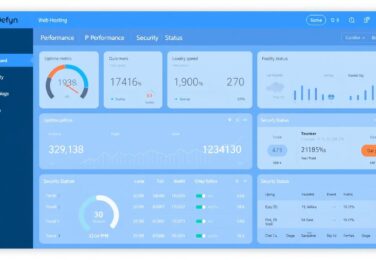
Post-launch, you want issues caught before your customers feel them. That means your partner needs monitoring and analytics baked into their support.
The must-haves include:
- Uptime monitoring with alerts for outages or major slowdowns
- Error tracking to pick up broken forms, failed scripts and server errors
- Performance metrics, including page load times across devices
- Security alerts for suspicious activity or known vulnerabilities
- Core Web Vitals tracking for SEO and user experience
Leading providers of web development in Sydney will often tie these into:
- Status dashboards your team can view
- Centralised logging so debugging is faster and more accurate
- Analytics setups that connect behaviour to performance, for example where technical issues line up with drop-offs in key funnels
Monitoring is only useful if people actually look at it. That is where reporting cadence matters. Practical formats that work well for non-technical stakeholders include:
- Weekly snapshots: key incidents, uptime, any urgent follow-ups
- Monthly reviews: traffic, conversions, performance trends and backlog priorities
- Quarterly deep dives: bigger UX issues, SEO shifts, content gaps and structural improvements
Ask each partner who prepares these reports, who reads them with you and what decisions usually come out of them.
Iteration Cadence: Turning Data Into Continuous Wins
A website should be treated like a product, not a one-off project. The best results come when you agree up front how often you will iterate together, instead of waiting years for a big redesign.
A clear iteration cadence might be:
- Fortnightly for high-traffic, performance-critical sites
- Monthly for most marketing and lead gen sites
- Quarterly for simpler, lower-traffic sites
Whatever the timing, an effective cycle usually follows a simple loop:
- Review insights from analytics, monitoring and user feedback
- Prioritise changes against business goals and effort
- Prototype or design the improvements
- Ship in small, safe chunks
- Measure the impact and feed that back into the next round
The strongest partners build experimentation into their retainers. That might include:
- A/B testing on key pages and forms
- UX tweaks to reduce friction across devices
- Content optimisation based on search terms and on-site behaviour
- Technical refinements for performance and accessibility
This rhythm turns your site into a steady source of small wins, instead of a big project that slowly drifts out of date.
Choosing a Sydney Partner Who Stays After Launch
When you look across your short list, you want clear signals that a partner is planning to stay accountable after launch, not just ship and disappear. Key signs include:
- A detailed SLA with real numbers, not soft promises
- A transparent support model that fits how your team works
- Proactive monitoring and clear reporting, not just “ticket us if something breaks”
- A defined iteration roadmap with agreed cadence
A simple process you can use to compare partners:
- Put each SLA side by side and mark where things are vague or missing
- Map how your team works now and check which support model fits best
- Ask to see sample reports and incident communications
- Ask how they would structure the first three months after launch
- Check who will actually support you day to day, not just who attends sales meetings
If you already have a site live, this is also a good moment to audit your current digital support, especially before peak trading periods. Look for gaps in SLAs, support responsiveness, monitoring coverage and iteration cadence.
At Defyn, we are an independent, award-winning web design and development agency in Sydney, and our focus is on long-term, high-performing digital experiences. Choosing a partner who stands by your site after launch is one of the most powerful decisions you can make for your brand’s future performance.
Get Started With Your Project Today
If you are ready to turn your idea into a fast, reliable site that actually supports your business goals, our team at Defyn is here to help. Explore how our web development in Sydney can be tailored to your unique requirements, from performance to integrations. We will walk you through the process, clarify timelines and costs, and recommend the right approach for your budget. To book a chat or request a quote, simply contact us and we will follow up promptly.
Insights
The latest from our knowledge base